All Categories
Featured
Table of Contents
If this is your very first time dealing with do it yourself yard care, start by finding out about your landscape's soil and lawn type. Once you have actually figured out what type of turf and soil you have, you can discover information on how to take care of your yard. From there, you can begin carrying out proper cultural practices into your lawn care schedule.
Healthy soil is the foundation of a durable lawn. Just like your body needs vitamins, minerals, and nutrients to function at its finest, your lawn needs the exact same to grow properly.
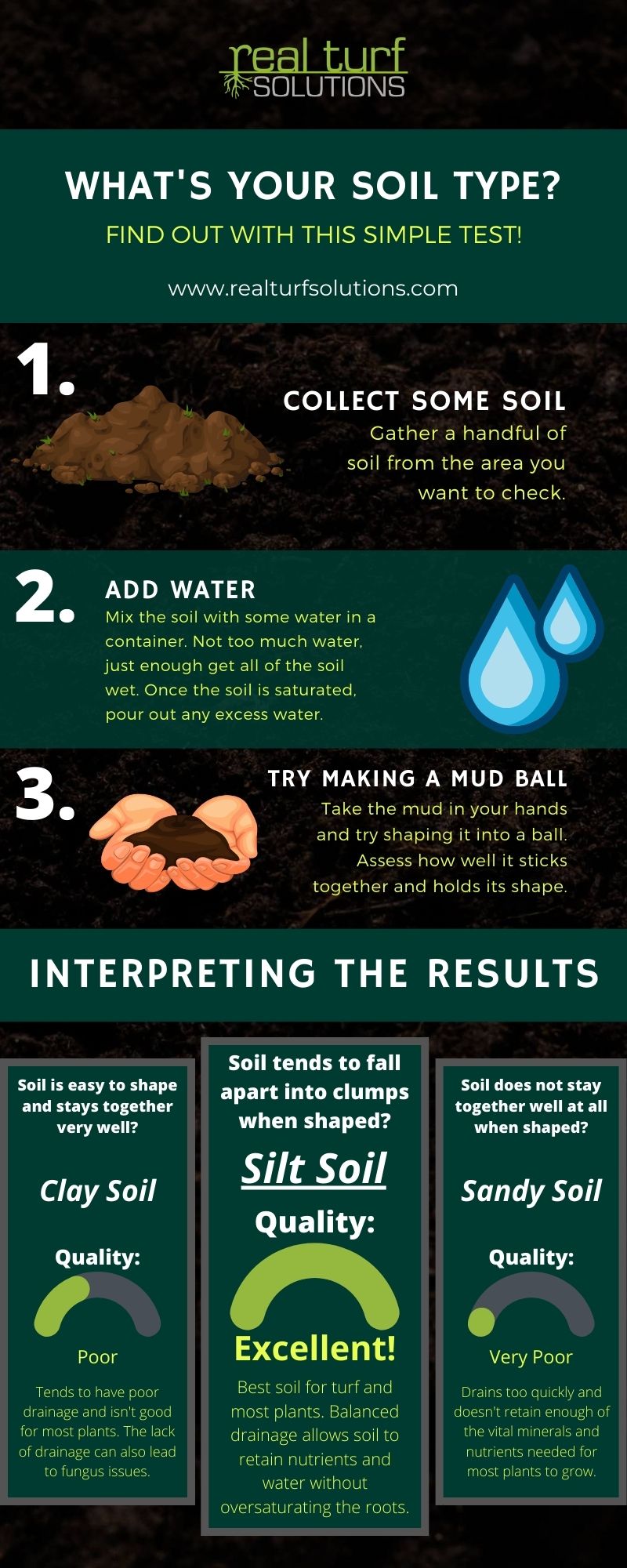
Here's what a soil test can inform you: Knowing what type of soil you have is important for your yard care regimen, especially with watering and aeration. A lab soil test will tell you the relative percentage of sand, silt, and clay, and these proportions will help you figure out how you'll care for your soil.
A Simple Lawn Renovation Guide
Nevertheless, clay soil can end up being compressed, suggesting there are less air spaces for nutrients, water, and oxygen to reach the roots of your plants. is coarsely textured and drains well. The loose texture of sandy soil particles enables nutrients and oxygen to stream well. Still, it also suggests they don't keep water, so you'll require to water sandy soil more often.
Using Moisture Sensors to Automate Efficient IrrigationThese soils are much better at moving nutrients to plant roots than clay soils but can end up being compacted. There are likewise mixes of soil types, such as silty clay, sandy clay, and clay loam.
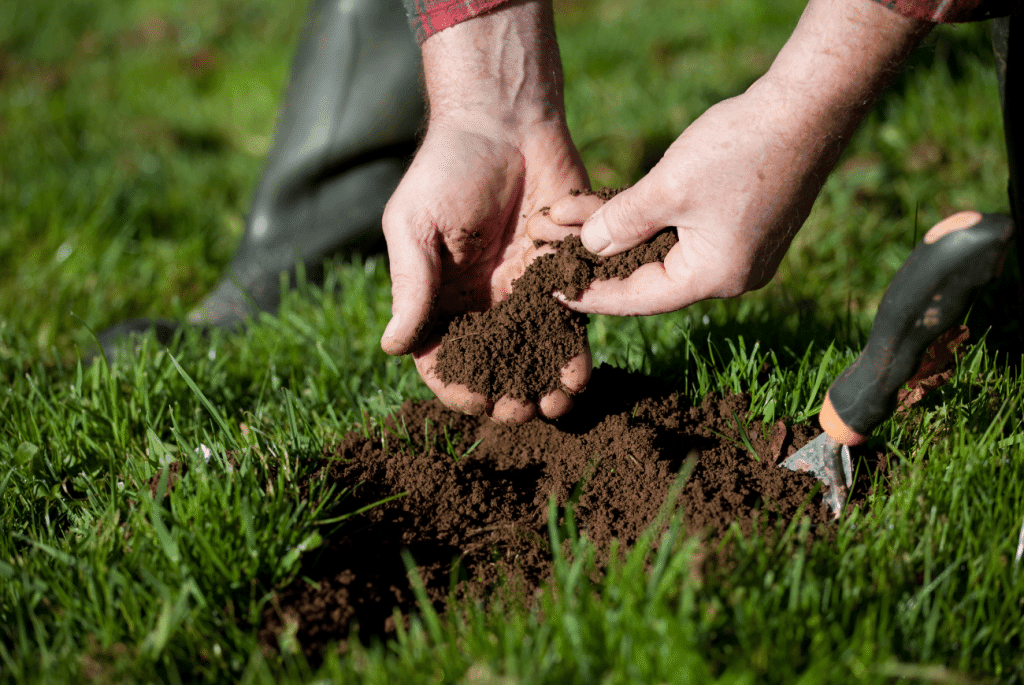
All these aspects can help you take care of your yard so that it continues to be healthy for many years to come. If your yard is large, you may have various soil types in various locations, so make certain you sample several areas on your landscape when conducting your soil test.
Simple Steps for DIY Lawn Restoration
You likewise require to know if it's acidic or alkaline (or someplace in between), which is what the pH level will inform you. The pH is measured on a scale from 0 to 14; any number listed below 7 indicates the soil is acidic. Numbers above 7 suggest the soil is alkaline.
Many turfgrasses flourish in soils with a pH variety between 6.0 to 7.0. If your pH is expensive or too low, it could signify illness, nutrient shortages, or water retention issues. If your soil is, you'll more than likely need to modify your soil with. If your soil is, you'll require to include as a soil modification.
Various kinds of yard need specific treatments at different times. Each grass type has a different development cycle that identifies watering and fertilizing. There are 2 categories of lawn types: warm-season lawns and cool-season yards. Infographic by Juan Rodriguez If you live in the Southern states, you most likely have warm-season yard.
Warm-season yard types consist of: Bahiagrass Bermudagrass Centipedegrass St. Augustine Zoysia These cultivars don't need to be watered as often as cool-season ranges, and they withstand dry spell better thanks to their deep root system and thick blades. Warm-season turfs grow throughout the summer season and get in inactivity when temperatures fall listed below 65 degrees Fahrenheit.
Using Moisture Sensors to Automate Efficient IrrigationSimple Steps for Organic Lawn Renovation
Cool-season yards grow well in locations where temperatures range between 50 to 75 degrees Fahrenheit. They consist of: Annual ryegrass Bentgrass Fine fescue Kentucky bluegrass Perennial ryegrass High fescue Unlike warm-season yards, cool-season turfs grow when temperature levels are lower, such as in the spring and fall. In addition, they go into inactivity during the summertime (or when the winter season is too chilly).
The very first step towards cultivating a stunning lawn is correct watering practices.: The quantity of water a yard requires depends on where you live and the time of year.
Be mindful not to overwater or underwater your lawn. Water between 6 a.m. and 10 a.m. to guarantee that the water doesn't vaporize before it strikes its target. In addition, if you let your yard grow too much, the long clippings won't decay and may damage your lawn, avoiding it from taking in adequate water and nutrients.

Latest Posts
What To Look For When Assessing An Amsterdam Dating Coach
Signs You Are Ready To Work With An Amsterdam Love Mentor
Achieving Long-Term Turf Health Through Organic Methods